
Trade Schemes & Secondary Scheme Settlement
Trade schemes are the incentives a manufacturer runs through its channel — slab and quantity schemes, target incentives, display and secondary schemes — and scheme settlement is how the earned value reaches distributors and dealers. Secondary schemes settle on sell-through the manufacturer does not natively hold, which is where most disputes start. These guides cover the scheme types used in India, how secondary schemes settle, and the data and GST documentation each one needs.
Start here
In reading order- Types of Trade Schemes in India: The Complete Guide for Manufacturers and Channel TeamsSlab, QPS, target, display, visibility, tour, gift and secondary schemes — how each type is calculated, settled and taxed, with worked ₹ examples.
- Secondary Scheme Settlement & Trade Promotion Agreement Management (India RTM)Secondary scheme settlement in Indian RTM — primary vs secondary schemes, how secondary claims are captured and validated, and GST credit notes.
- Scheme Settlement and Claim Documentation Under GST: The Ops PlaybookThe end-to-end paper trail a scheme claim needs to survive a GST audit — from scheme circular to credit note to GSTR linkage — and how to automate it.
- Primary, Secondary and Tertiary Sales: What They Mean and Why Your Claims Depend on ThemWhat primary, secondary and tertiary sales mean, where each tier's data lives, how to verify it, and why Indian trade claims settle on secondary data.
- Channel Loyalty Programs for Dealers and Distributors: Design, Points and Settlement (India)How channel loyalty programs work in the Indian route-to-market — earn rules, tiers, points economics, redemptions, and the settlement layer underneath.
More in this category
10 articles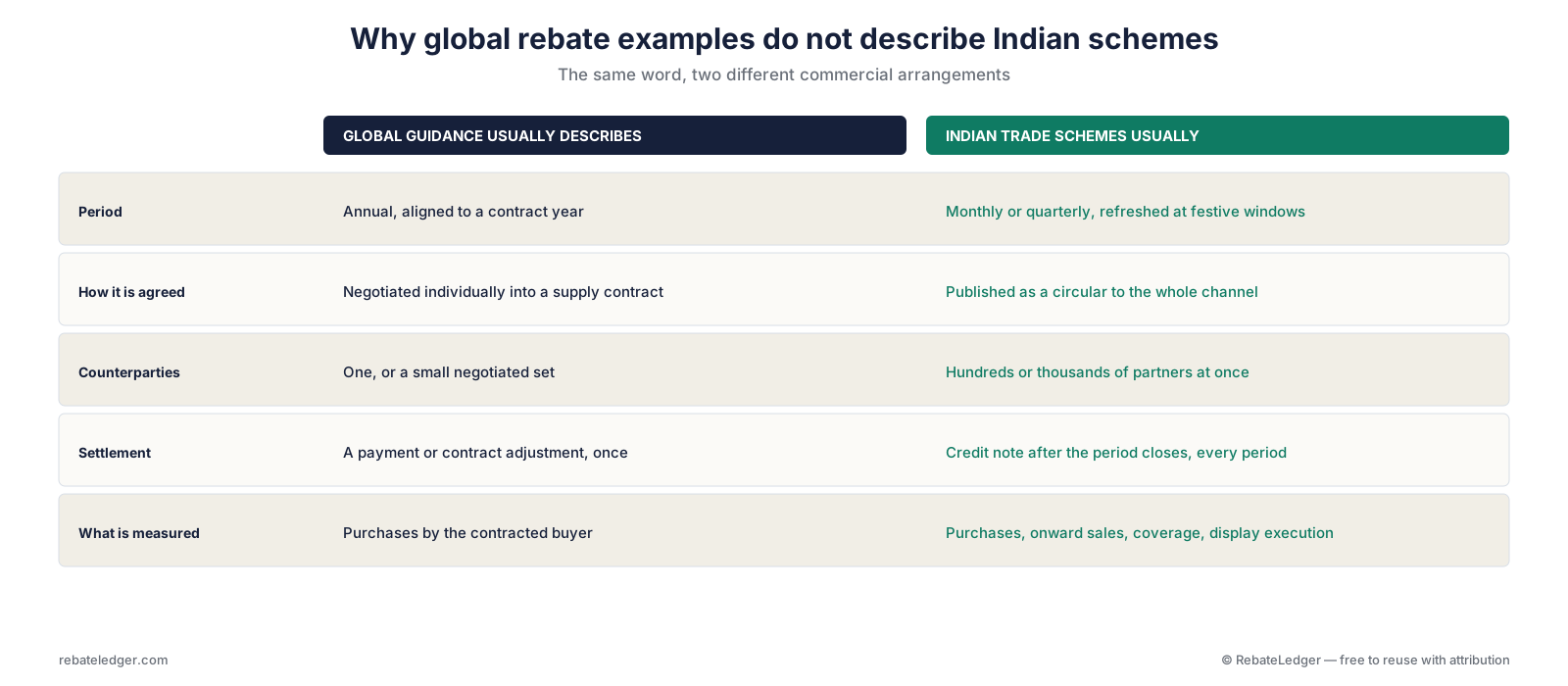
Rebate Scheme Examples in India: Why Global Examples Do Not Fit
Global rebate examples describe annual negotiated contracts and consumer mail-in offers. Indian trade schemes work differently. What changes, and why.

Turnover Discount (TOD): Meaning, Agreement Structure and Settlement
TOD is a periodic discount earned on total purchase turnover, usually slabbed and settled by credit note — governed by the agreement, not by statute.
Free Goods and Scheme Goods: What They Really Cost You
Free goods do not cut the price — they cut the cost per unit. The arithmetic everyone gets wrong, and why most systems record scheme goods incorrectly.
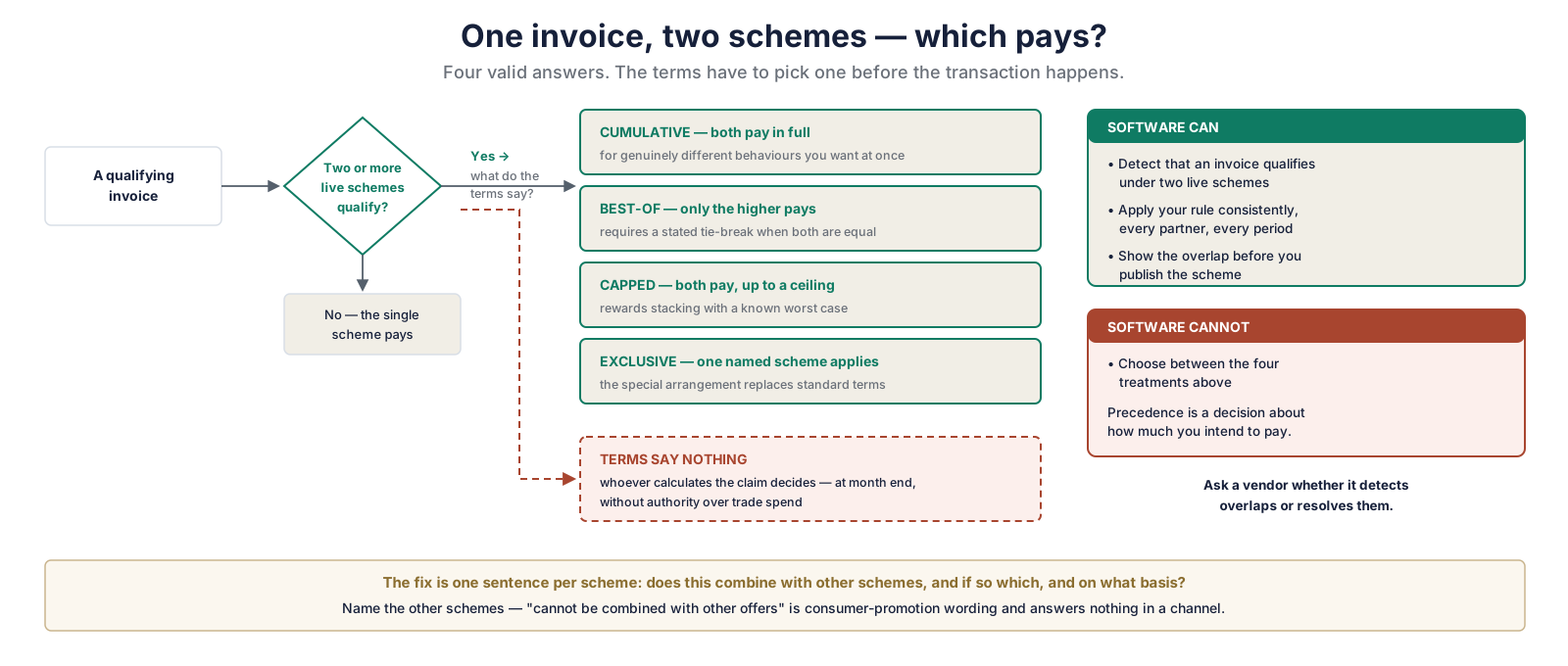
When Two Schemes Apply to the Same Sale: Resolving Scheme Conflicts
Two schemes apply to the same transaction — do both pay, or only the better one? Why no system can decide this for you, and what your terms must state.
Channel Incentives: The Full Range, Financial and Non-Financial
Rebates and schemes are only part of how brands influence channel behaviour. The full spectrum of incentives, what each achieves, and what each costs.
QPS Full Form in FMCG: Quantity Purchase Scheme, Explained
QPS, or Quantity Purchase Scheme, is a distributor incentive paying on purchase quantity or value in a period. Definition, example, and when it's used.
Designing Slab-Based Volume Incentives for FMCG Distributors (Bronze to Platinum)
How to design slab-based volume incentive schemes for Indian FMCG distributors — incremental vs retroactive slabs, thresholds, the payout lookup table.
Supplier, Dealer, Vendor and Trade Scheme Incentives: What's the Difference?
Supplier incentive, dealer incentive, vendor rebate, trade scheme — used interchangeably but different things. A clear guide for Indian businesses.
Seasonal Schemes and Liquidation in Agri-Inputs
How seasonal schemes and liquidation claims work in Indian agri-inputs — schemes timed to Kharif and Rabi, sell-through targets and season-end settlement.
FMCG Trade Schemes Explained: QPS, Slab and Secondary
The trade schemes Indian FMCG companies actually run — QPS, slab, secondary, display and festive schemes — what each is calculated on and how it settles.
Key terms
Quick definitionsRelated topics
See RebateLedger on your own claims data
A 30-minute walkthrough tailored to how your channel actually settles claims.